
The Blizzard of January 1996 crippled the Washington, DC area with about 20 inches of snow. January 16, 2026 will be the 30th anniversary of the events that occurred that day.
It’s strange how the perception of events in your life evolves as you age. But this day is seared in my memory. January 16, 1996, is a date I’ve thought about nearly every day since. I was 22—beautiful, smart, and trapped in an unhealthy, toxic marriage to my first husband. We were “on a break,” as we often were.
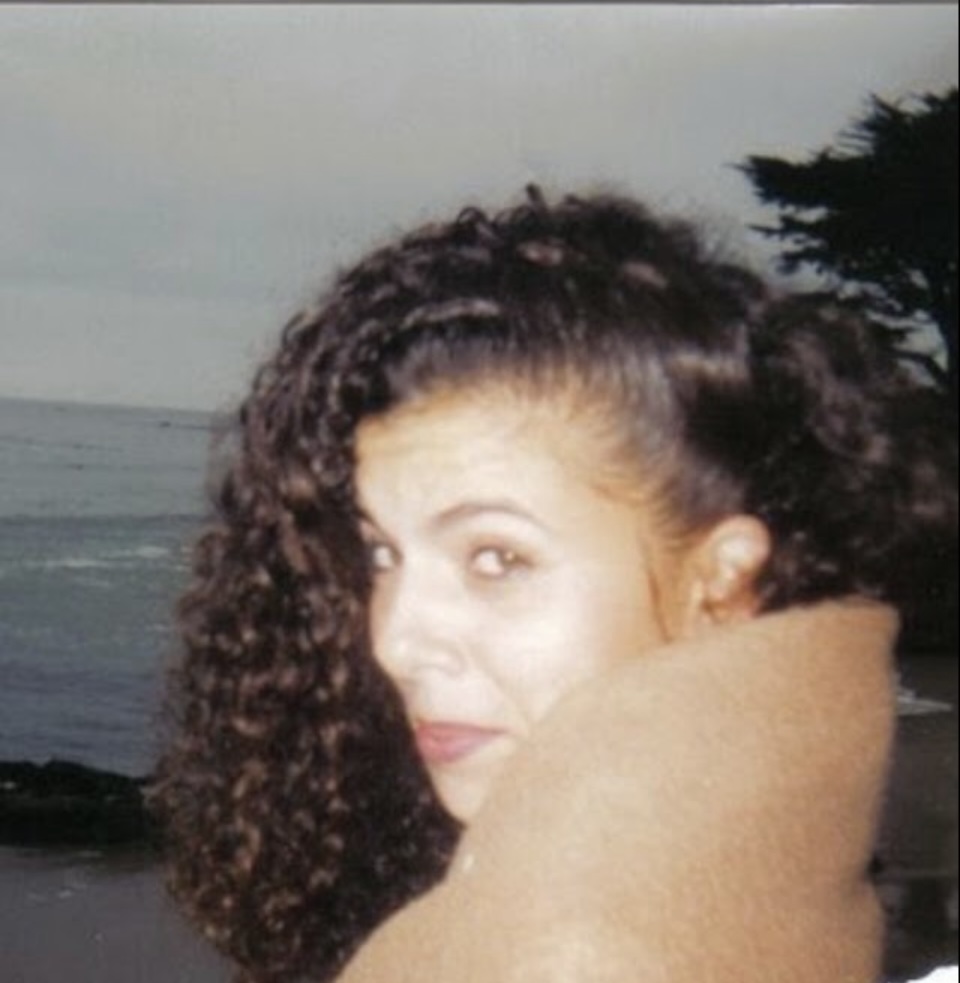
I was staying about 30 miles away at my ex-stepsister’s house, helping care for her newborn son. She was struggling badly with postpartum depression, and I loved and still love babies. I wanted one desperately. So I stayed with the family, night and day. I cleaned, cooked, took care of the baby, and helped any way I could—trying to be useful, trying to belong.
That afternoon, I was scraping layers of dried hairspray off a small bathroom floor using straight chlorine bleach. The room was closed. I inhaled the fumes for at least 20 minutes. Not long after, I started drinking—something that was normal for me then.
Later, I decided to see my first love from middle school. We hadn’t seen each other in a couple of years. Naively, I thought we’d just catch up, platonically. We had always talked on the phone and met up when we were in the same area, just as friends. He picked me up that evening and took me to his recently purchased house—impressive for a 23-year-old. We drank beer, and I had too many, as usual. I cooked dinner, because that’s who I am: deeply domesticated.
After we ate, it became clear he thought I was there for something more intimate. I wasn’t. When I asked him to take me back to my stepsister’s, he became aggressive—not violent, but threatening enough to trigger me. We were both intoxicated. I was especially impaired, a mix of alcohol and chlorine fumes clouding my judgment.
We argued in the car on a dark, two-lane highway bordered by massive snowbanks from the recent blizzard. I begged him to stop and let me out. He refused and accelerated. I warned him I would jump. He sped up more. The speedometer hit 60.
I opened the door and dove out.
I remember the sparks—my silver rings scraping asphalt. I didn’t know my right leg had struck the rear tire as the car kept moving. I landed flat on my back in the middle of Route 6, pitch black, no streetlights.
I watched his taillights disappear in front of me. Then I saw headlights coming toward me from behind —a Jeep Cherokee. I remember thinking, I hope they see me. Thankfully, they did.
I never saw the man’s face. He said, “I’m going to pick you up.” As he lifted me, he told me to hold something. I looked down. It was my right foot—detached, resting behind my right hip. My leg was broken completely, hanging by skin and tendons.
He placed my legs gently into a snowbank and went for help.
It was 1996—some people had cell phones, but not many. I certainly did not and didn’t know anyone who did. Somehow, a medevac helicopter arrived not long after. I remember the cold, the noise, the muffled sounds, and hearing someone say they were bringing in a “potential amputee.” I stayed conscious the entire time. No pain. Just in complete physical and mental shock.
At Prince George’s Trauma Center, at least nine people surrounded me. They cut off my jeans, my sweater, and even my right boot. I complained—I loved those jeans and boots! I was drunk, mouthy, and oblivious to the severity of my injuries.
I had a compound tibia-fibula fracture and a broken, dislocated ankle. While one trauma nurse scrubbed road rash from my back and chest, others quietly straightened my leg—snapping it back into place. I screamed louder than I ever had in my life.
Because I’d just eaten and was intoxicated, surgery was delayed until the morning. I lay in a hallway for hours. When the registration lady brought surgery consent forms for me to sign, I hesitated—terrified of the bill. I had opted out of gap health insurance with my last employer the month before.
“What if I don’t sign?” I asked.
She said, calmly, “You’ll probably never walk again.”
I signed.
Early the next morning, around 6:00 or 7:00 a.m., an orthopedic surgeon came in to talk to me. He had a thick accent and was incredibly kind and funny. He told me he would do his best to save my leg, put hardware in it, and hopefully get me walking again.
At the time, I didn’t understand the severity of what was happening. I truly had no idea how bad my leg was.
When I came out of surgery, they told me everything had gone well and that they were able to save my leg, which was what I had asked for. They showed me before-and-after X-rays. The after image showed a thick metal rod, about the width of my thumb, running from my knee to my ankle through my tibia and fibula. There were six screws in my ankle—three on each side—holding it together, and two more screws near my knee securing the rod. You could clearly see that the shattered bone, which had been completely separated, was now held in place. I remember a nurse saying to me, “Superman fell off a horse and will never walk again. You jumped out of a car at 60mph, and you WILL walk again!”
I stayed in the hospital for only a few days. At one point, the driver came to see me and asked, “Why did you jump?” Everything was framed as a suicide attempt. It wasn’t exactly that—it was about getting away, by any means necessary. If that meant I died, so be it.
He left, and shortly after, my husband arrived. I remember wondering how they missed each other. My husband asked what I had done and why. He didn’t know the circumstances, and I never told him. I just said I jumped out of a car going 60 miles an hour. I don’t even know if he knew who was driving.
I was discharged after a few days, and oddly, I never went to a psych ward or had a psych evaluation despite this being a perceived, significant suicide attempt—the most serious of my life at that point. I had overdosed at 15, cut my wrists at 18, and now I had jumped from a moving car. That narrative would stand for nearly 25 years.
I went back to my apartment with my husband, near my mother and sister, who was nine at the time. I split my time between my home and my mother’s house, healing and relearning how to walk. I don’t remember doing formal physical therapy. At 22 years old, I used a walker. A so-called friend laughed at me all the time because I was 22 with an old lady walker. It took about six months before I could walk again.
Walking wasn’t easy. I had very little ankle flexibility, so I walked mostly on the ball of my right foot, rarely putting my heel down. Ironically, that worked out later when I wore heels at work. I was in pain for a long time, but I stayed active and lived a mostly normal life.
You could always visibly see a sharp piece of bone pushing against my skin—it was never shaved down or smoothed. That always bothered me. I had already hated my legs most of my life. As a kid, I was bullied for being tall and thin—called names, teased for my “chicken legs.” Even in adulthood, my body was always commented on and asked if I was anorexic. I was just long, skinny, and lanky.
The irony is that I hated my legs, and then I ended up with a painful, badly damaged, and disfigured one. The events from that day are the reason I became an amputee 20 years and four months later. That was January 16, 1996—30 years ago, next month.
It’s been quite a journey.
 Living Alone With Limb Loss
Show some LOVE