Eleven Moves After Amputation: Finding Home at Last
Today I’m writing about moving—specifically, moving eleven times in the first six years after my below-knee amputation.
I am a wanderer by nature. I always have been. Home, for me, has never been a place so much as a state of mind. And my state of mind was homeless and unsettled for a long time. I am quite “domesticated.” I can make a cardboard box feel like home if I need to. That instinct didn’t come from nowhere—I moved constantly as a child.
I attended six elementary schools, one middle school, and two high schools before dropping out after ninth grade. My single mother and I moved back and forth to my grandmother’s house —my Grammy’s—my entire childhood. If we weren’t actually living under her roof, I spent entire summers and school breaks there. Stability has always been temporary for me, if I ever really felt it.
Sometimes we moved in the middle of the night. Almost exclusively without warning. No goodbyes. No closure. This was the late 70’s and the entire 80’s. There was no internet, no social media, no easy way to stay in touch. One day I’d be a student in a classroom, and by the next, I’d be gone—dropped into a new school, a new town, a new identity as the new girl. I was always the new girl.
After my Grammy died when I was fourteen, my feeling of impermanence deepened. I couldn’t even count how many places I’ve lived—definitely hundreds. I’ve lived in fifteen states: Maryland, Virginia, Pennsylvania, Ohio, New York, Michigan, California, Utah, Arizona, Florida, North Carolina, Texas, Indiana, Maine, plus Washington, D.C., and Puerto Rico. Those are just where I officially moved and forwarded my USPS mail. It has been a journey of constant change, leaving me unsettled for over four decades.
That theme continued after my amputation in 2016.
At the time of my amputation, I was living in an apartment in Larksville, Pennsylvania. About five months later, still without a prosthetic leg, I moved. Friends helped with the physical move, but I handled the packing and unpacking myself.
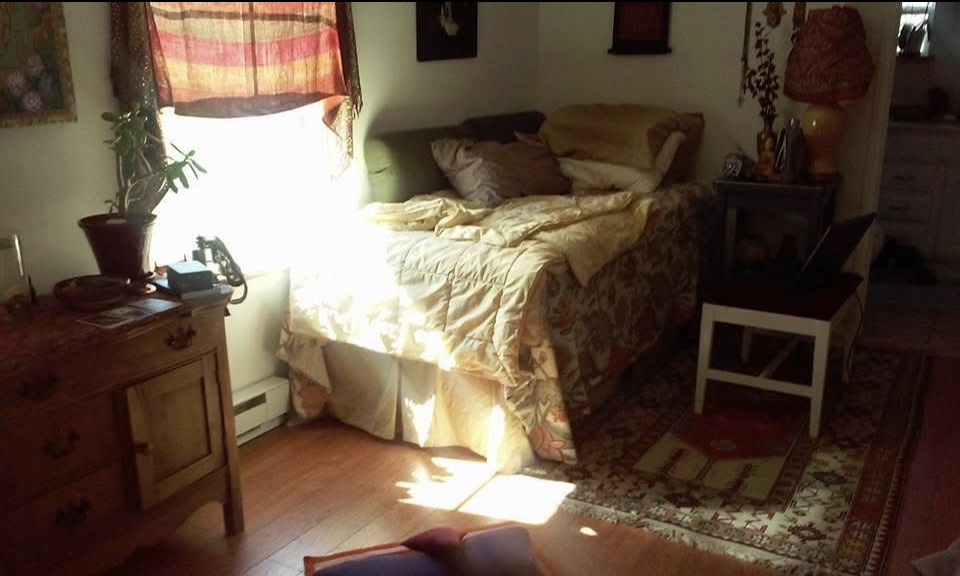
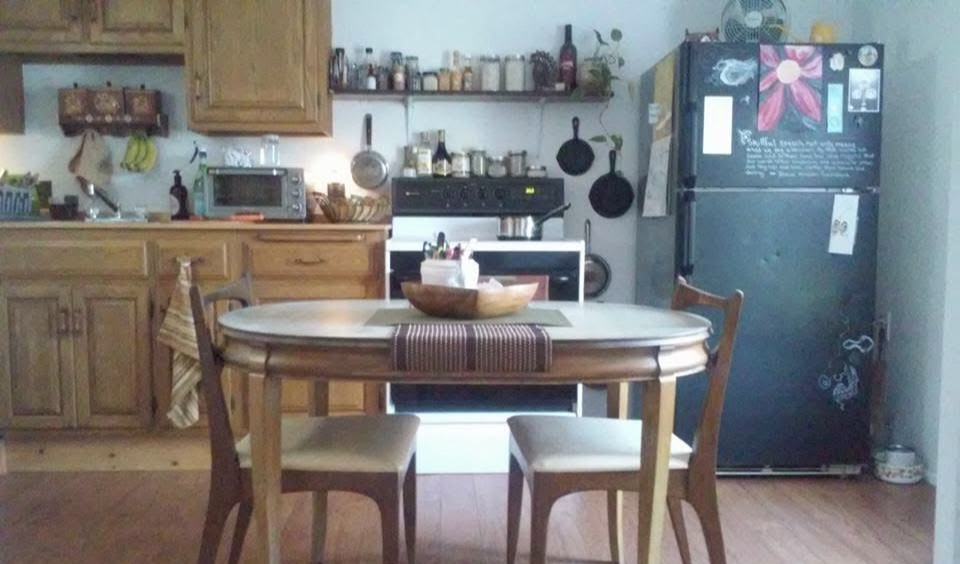
I moved to Uniondale, Pennsylvania, renting a room from someone who was supposed to offer a little support. Instead, it became a nightmare. After about a month, I packed up—again alone—and moved to Honesdale, Pennsylvania. I still didn’t have a prosthetic I could walk in. I had help with the physical move. I stayed there for a few months before deciding to move to Maine.
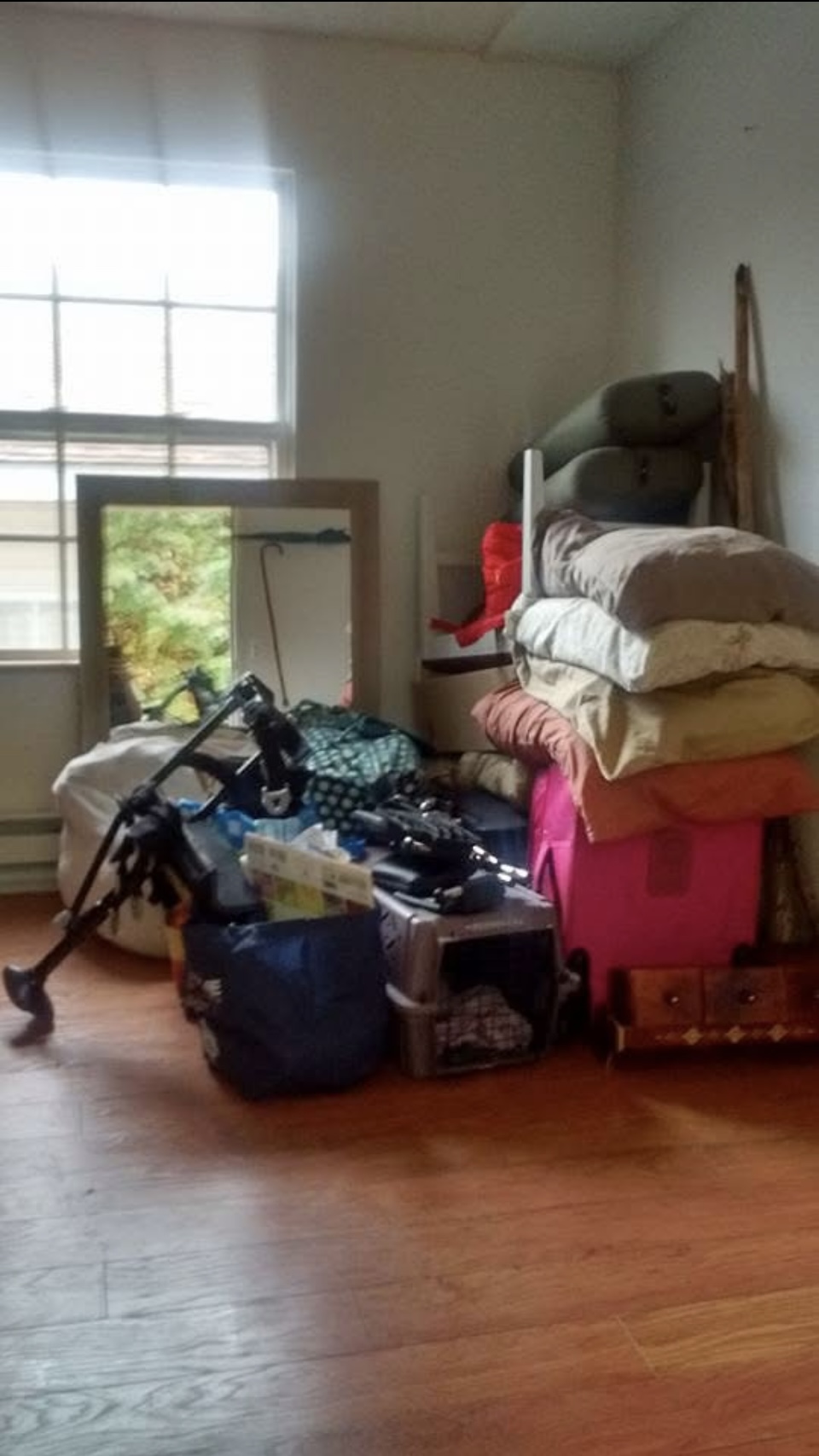
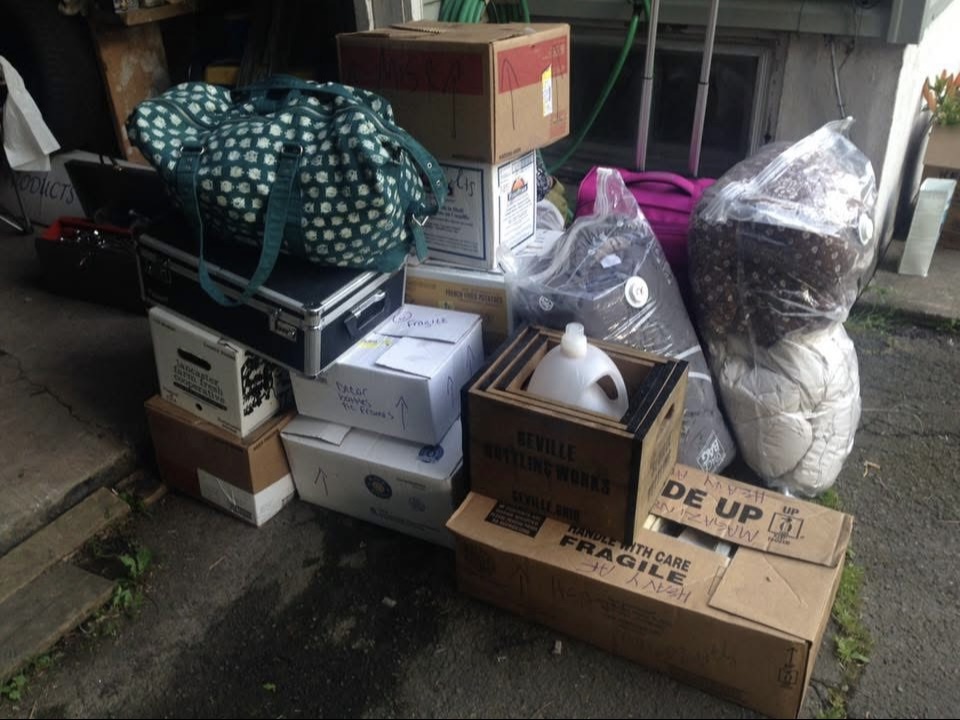
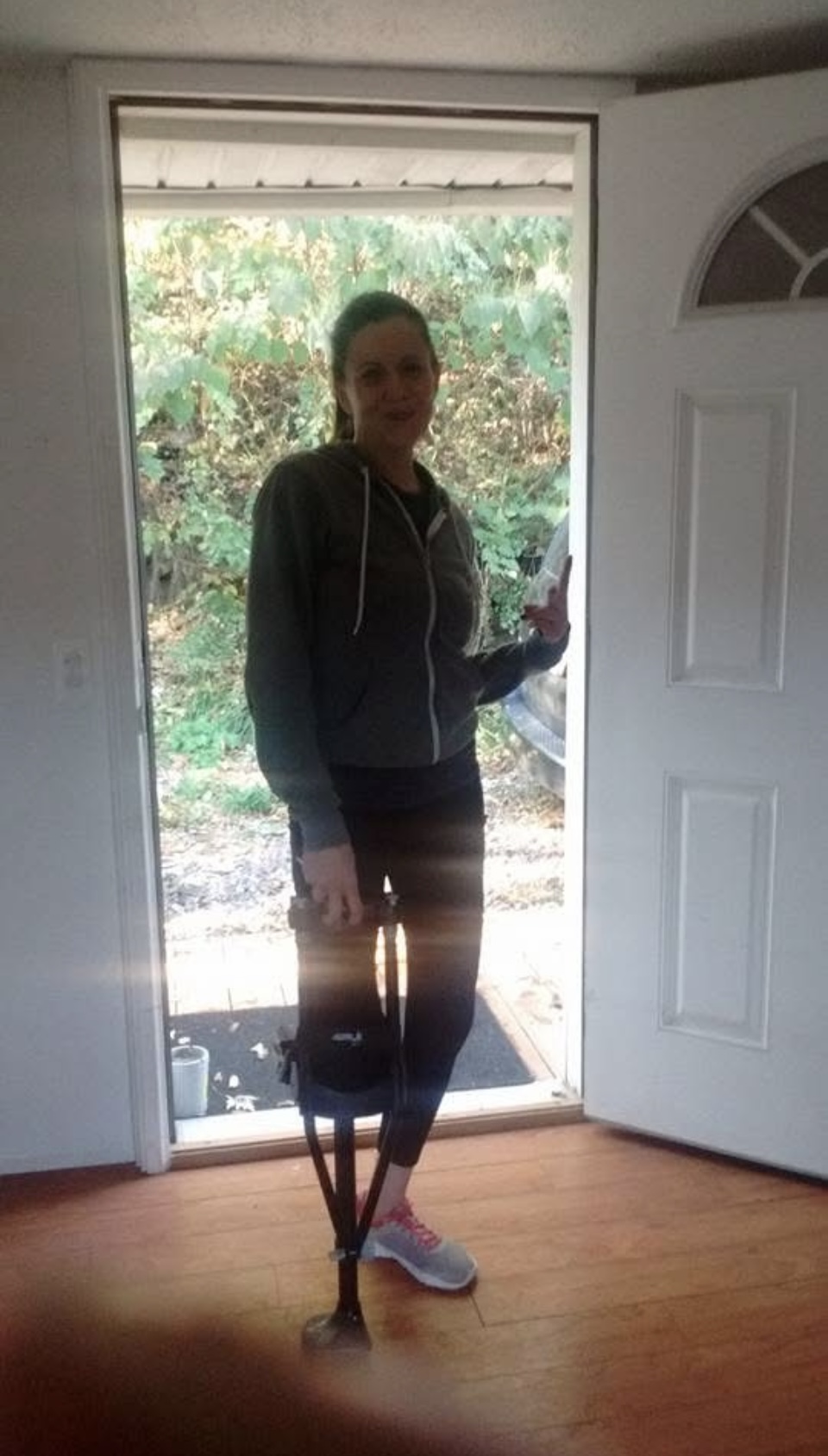
Once again, I packed and unpacked alone. I had help with the long-distance move. I was free of any furniture, so it was not a substantial long-distance move.
Once in Maine, I stayed briefly with friends, then moved into a rooming house in the same town. A few months later, I moved again—this time into a small studio apartment, where I paid market rent, more than 60% of my disability income. I slowly reacquired furnishings, trying to create some sense of home. I stayed in that studio for 2 years. Then I made another leap: moving in with a new elderly friend who had land and plans to build a yurt or cabin for me to live in, so we could rescue and foster dogs together. A true DREAM!
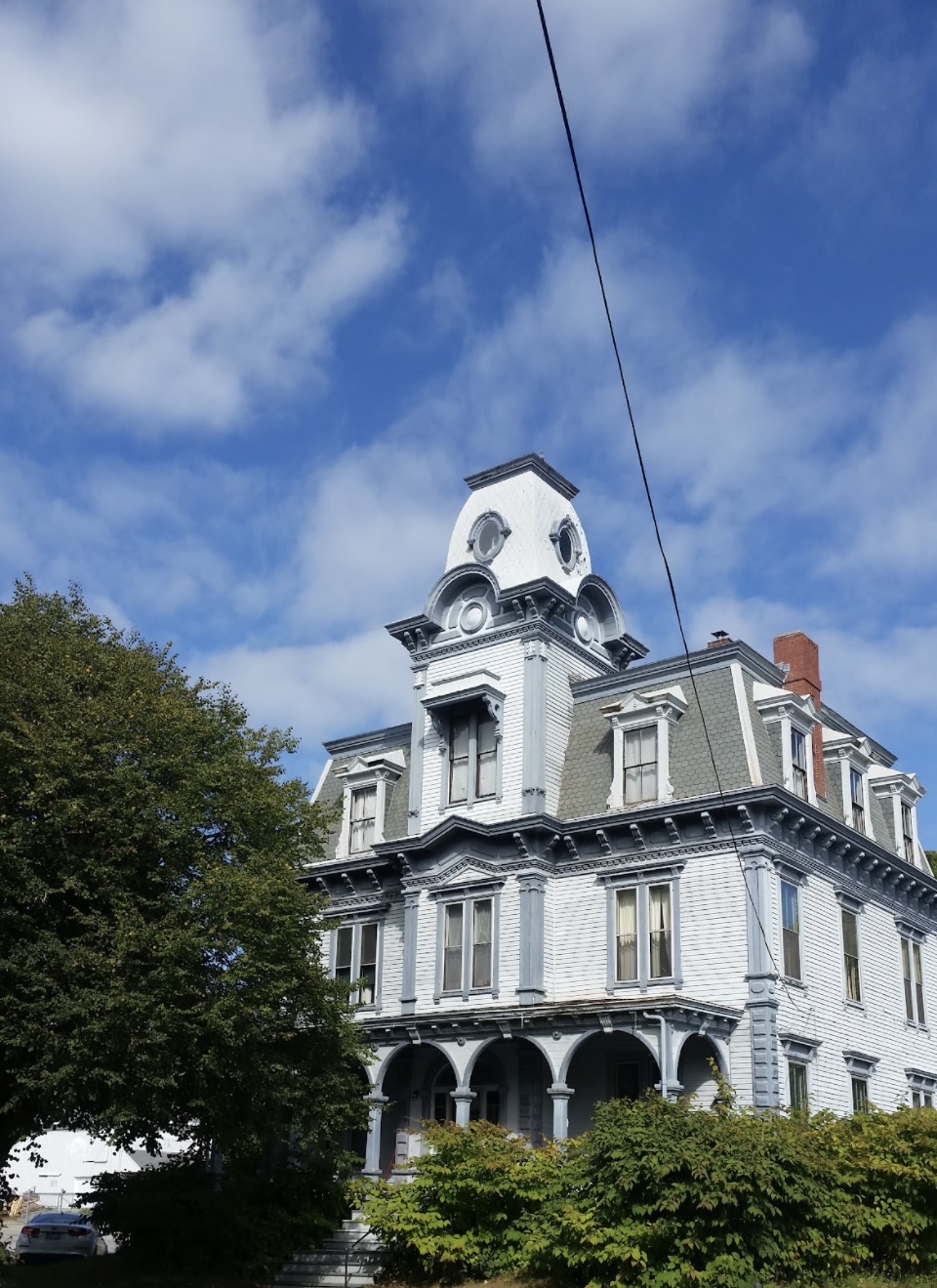
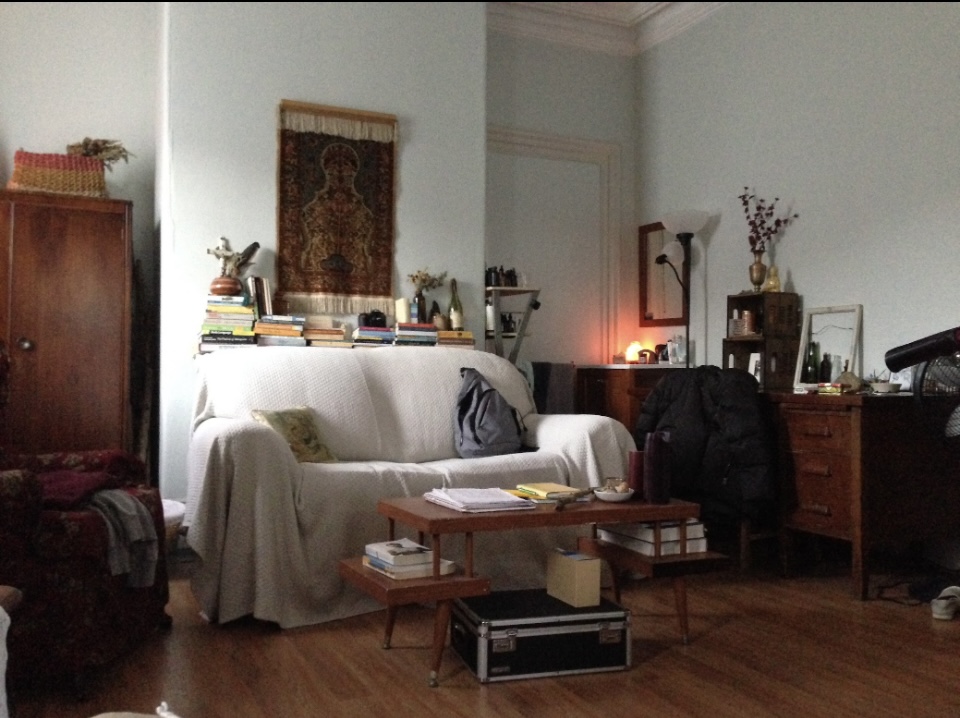
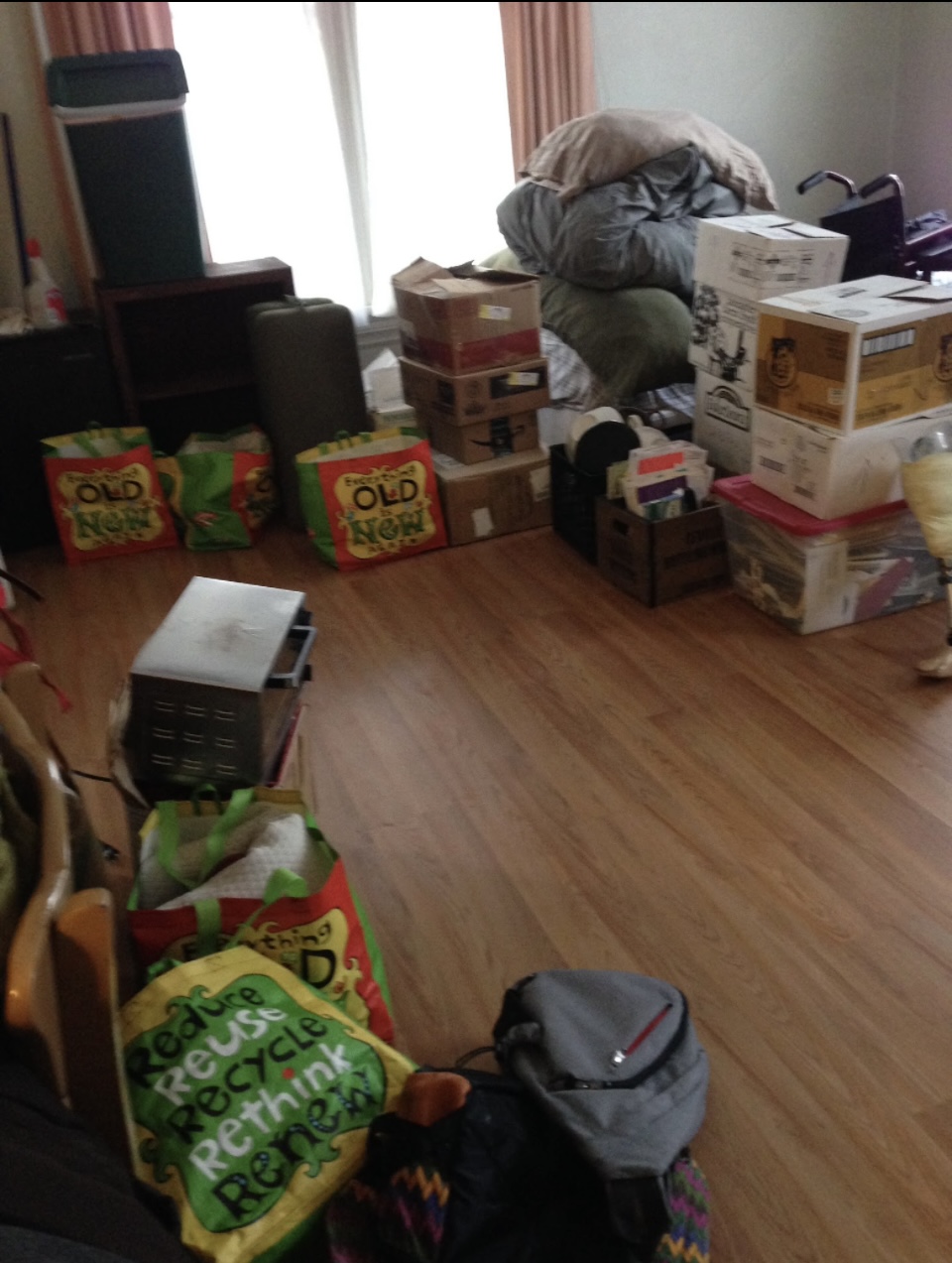
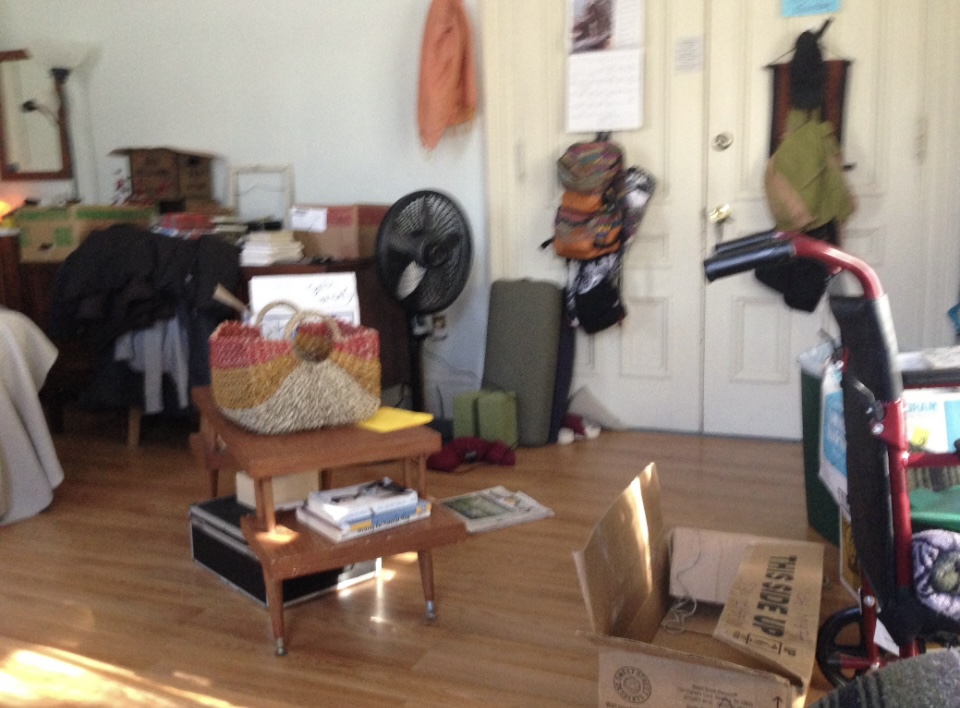
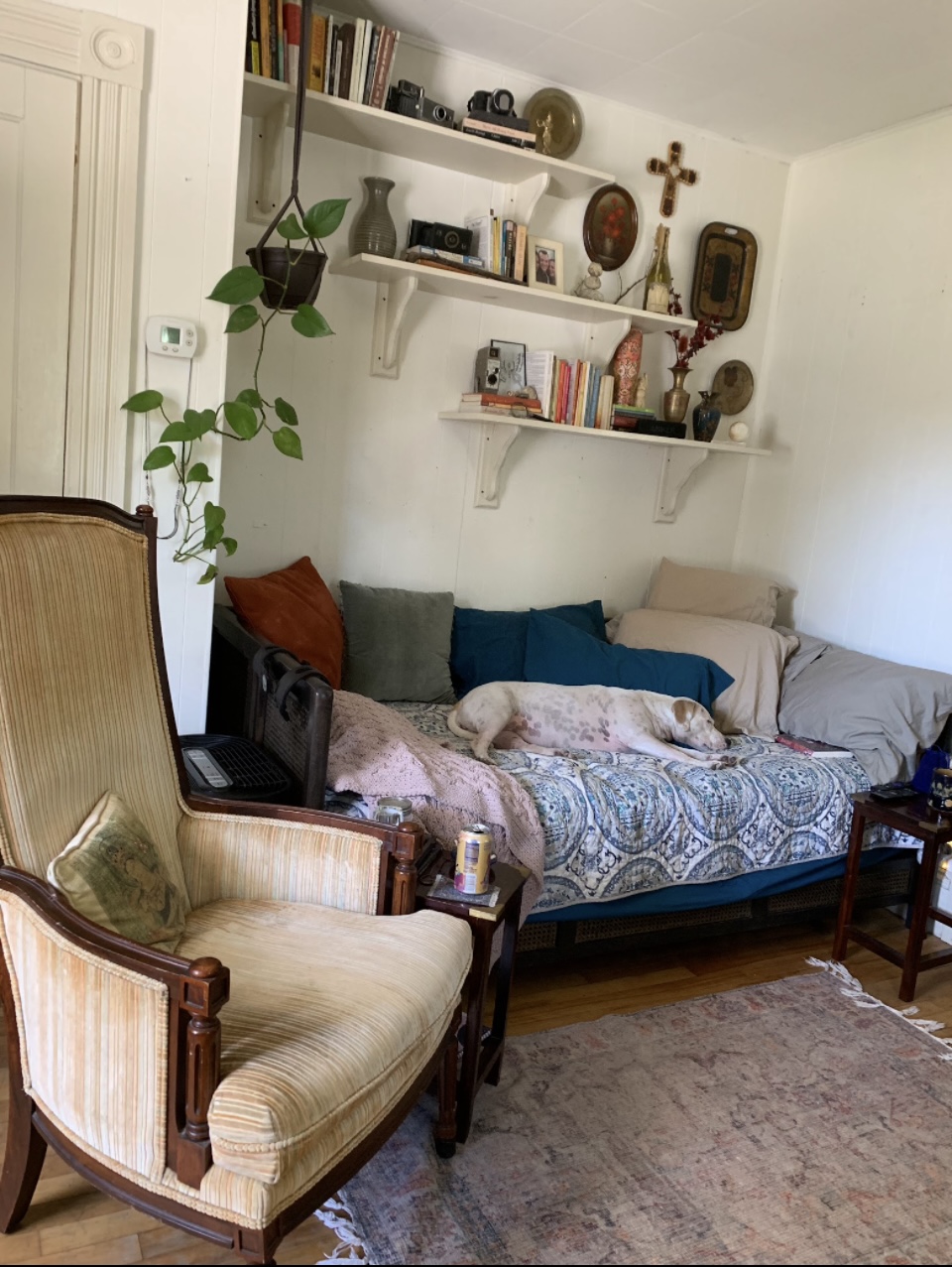
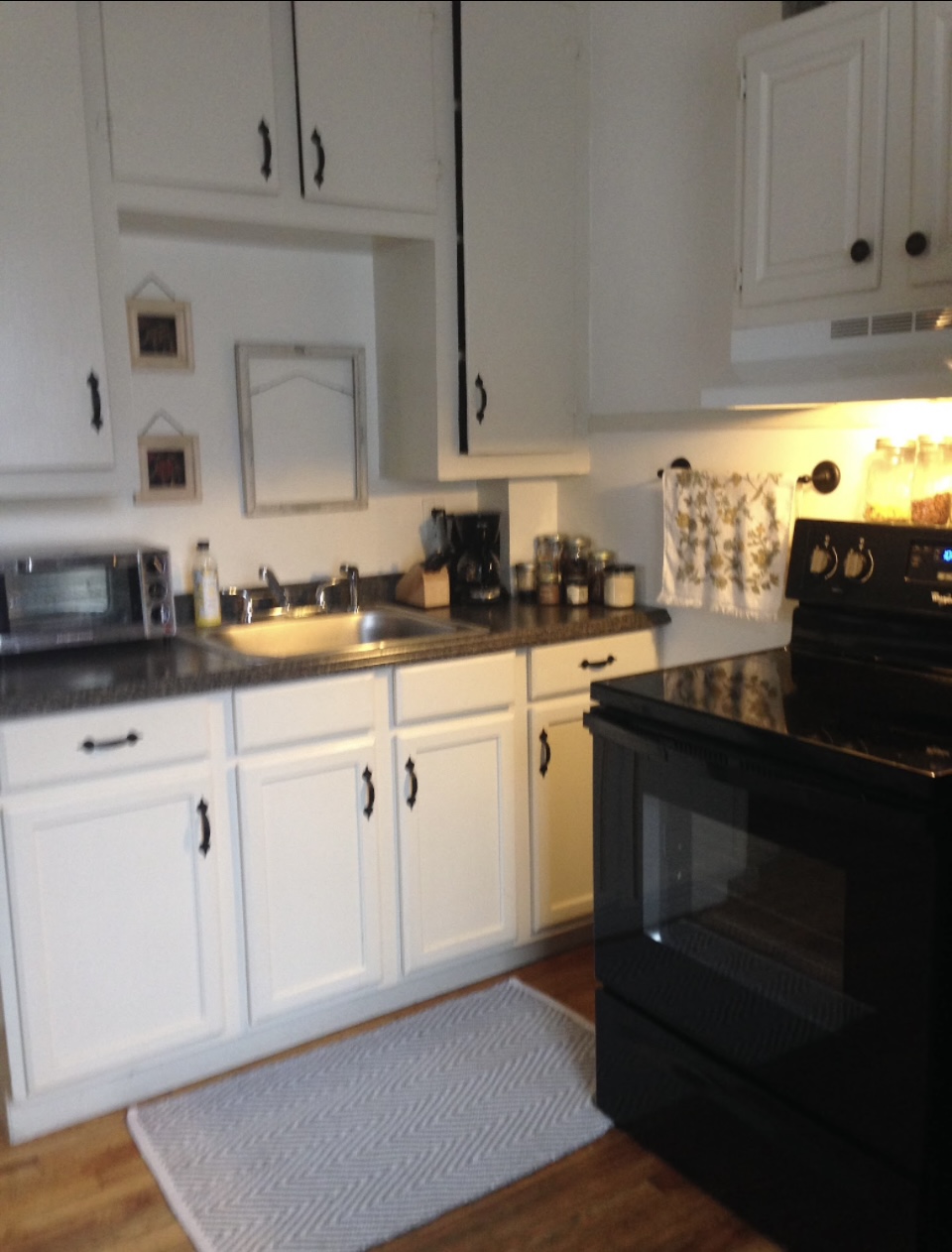
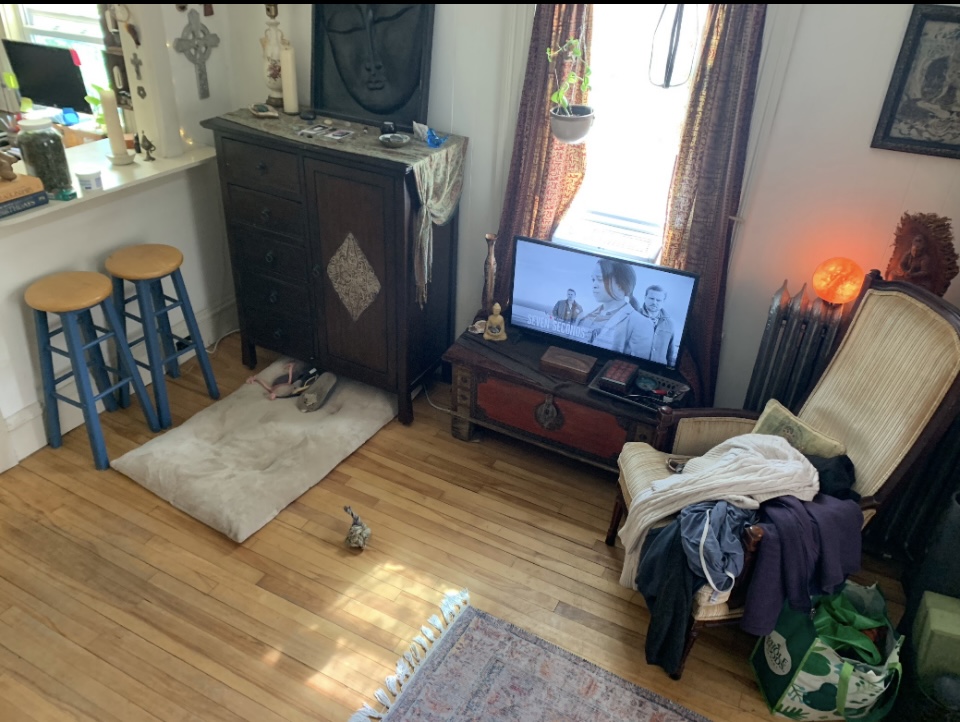
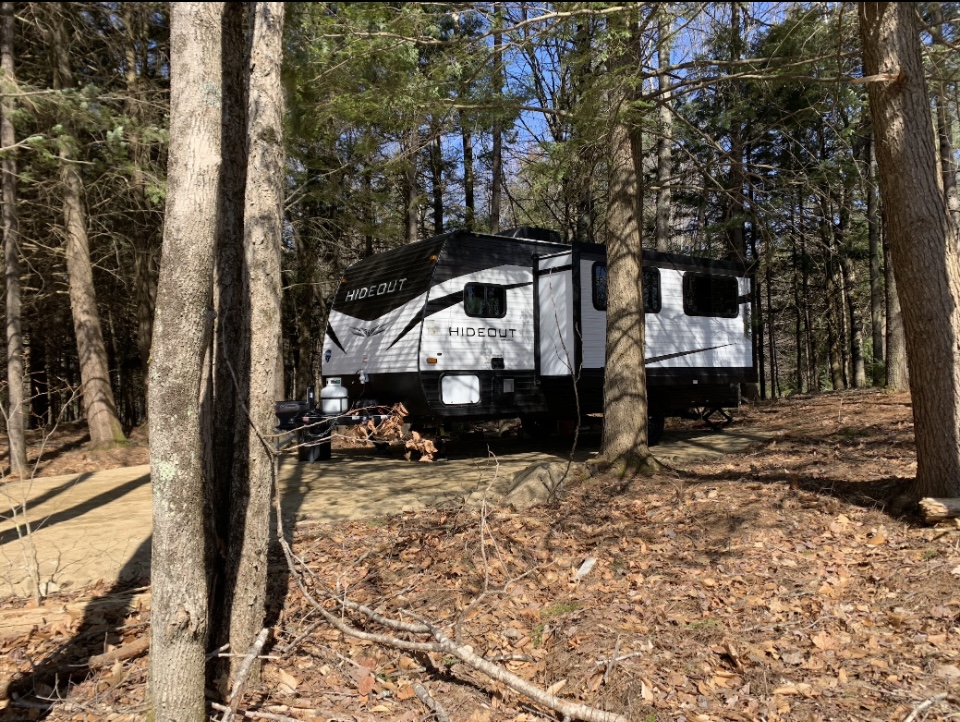
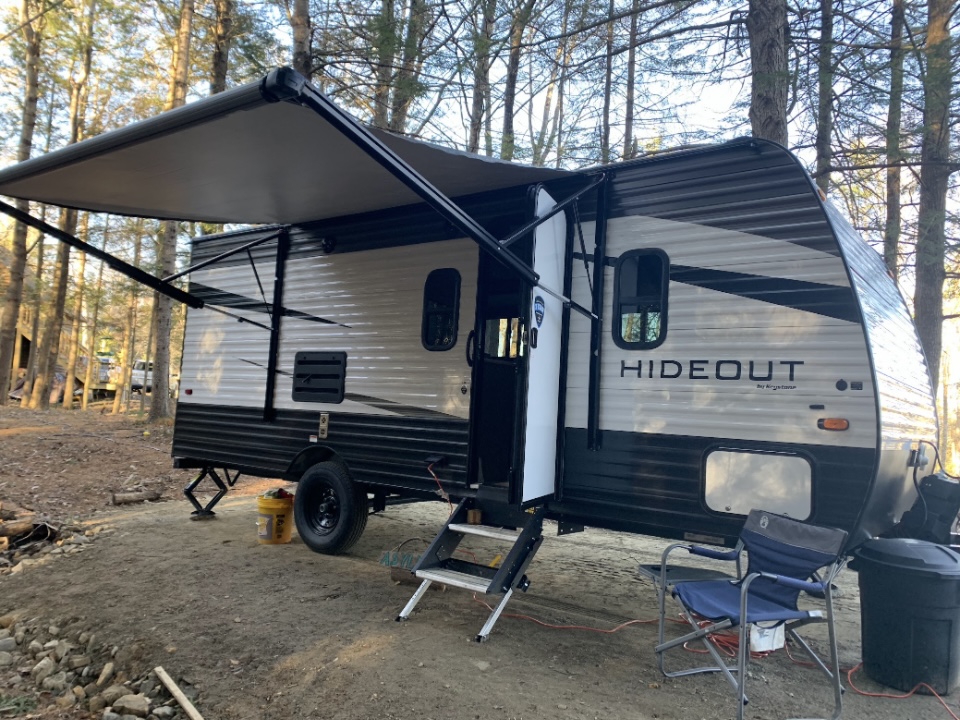
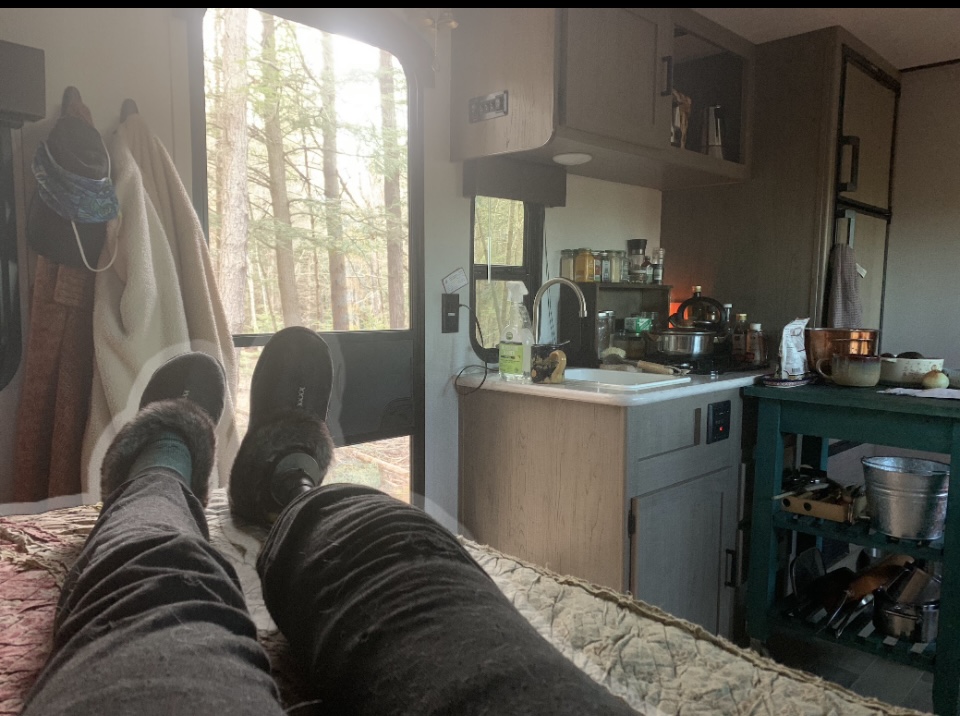
I lived in her basement from the end of 2019 and into early 2020—and ended up with mold toxicity in my lungs just as COVID arrived. The plans for a yurt or cabin build on her property disintegrated because of her relationship with her boyfriend (who was going to actually build it) and the pandemic stress. So, in February 2020, I ordered a 22-foot 2020 Keystone Hideout camper, with plans to travel cross-country, visit friends, and work as a campground host starting in the spring. The camper arrived in early April—right as the world shut down.
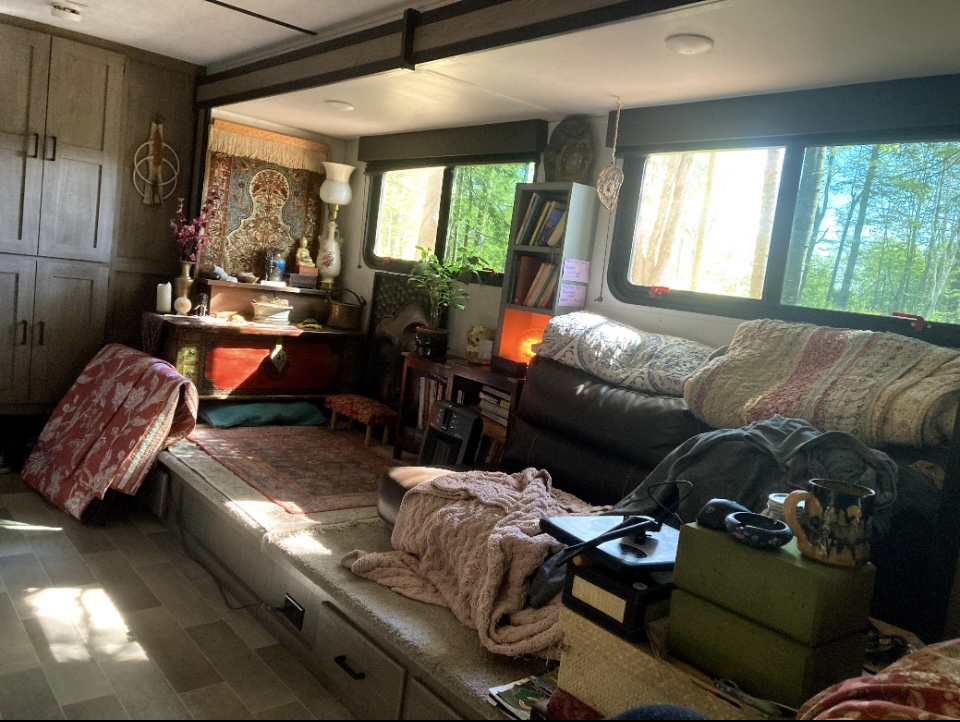
So I moved into the camper.
I lived there for nine months during lockdown, only to realize there were no campsites or host positions open and no affordable, rust-free trucks in Maine that could tow a 22-foot camper. And winter was coming, and the camper wasn’t the place to be in Maine. The nomadic dream collapsed quickly.
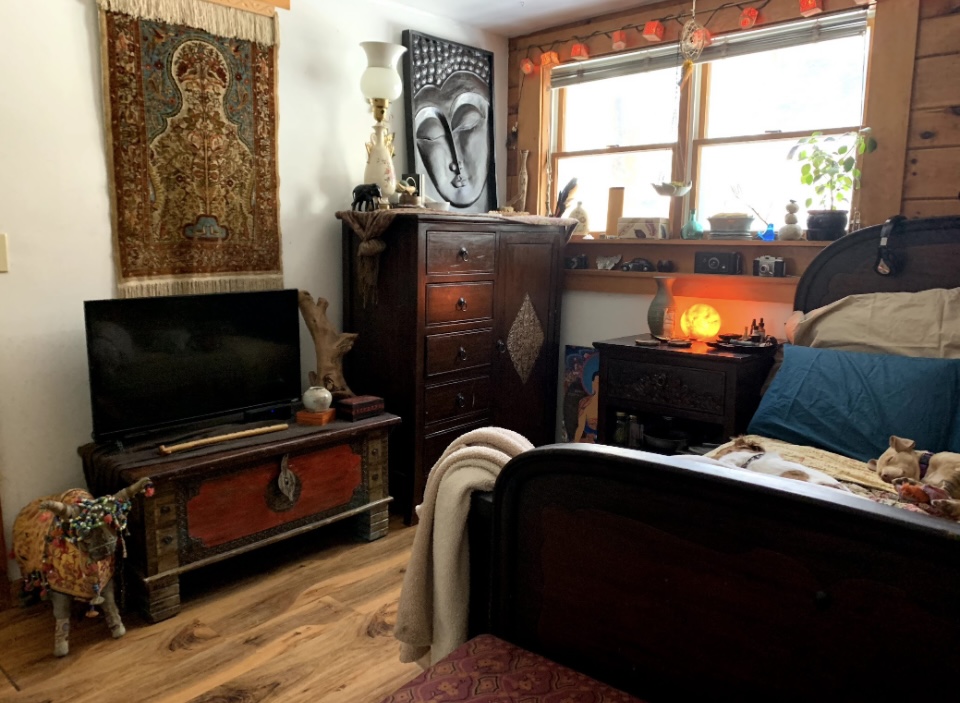
Next, I quickly moved to Portland and lived rent-free as a “live-in aide,” which really meant just being present in their apartment to feel safe. This person had extreme mental health issues that were not disclosed to me by their caretakers before moving in. After a few scary months, I frantically packed my things—by myself—into storage and left. I was technically homeless with my dog, Honey Bea.
Because it was COVID, thankfully, the homeless shelter was actually a motel room at the Motel 6. I could have my dog. Honey Bea and I stayed there for only eleven days. Being both disabled and homeless moved me up the waiting list for disability housing.
I was offered a subsidized apartment about an hour and a half northwest of Portland—a town I had never even visited—in an apartment building with 24 other residents who were all elderly and/or disabled.
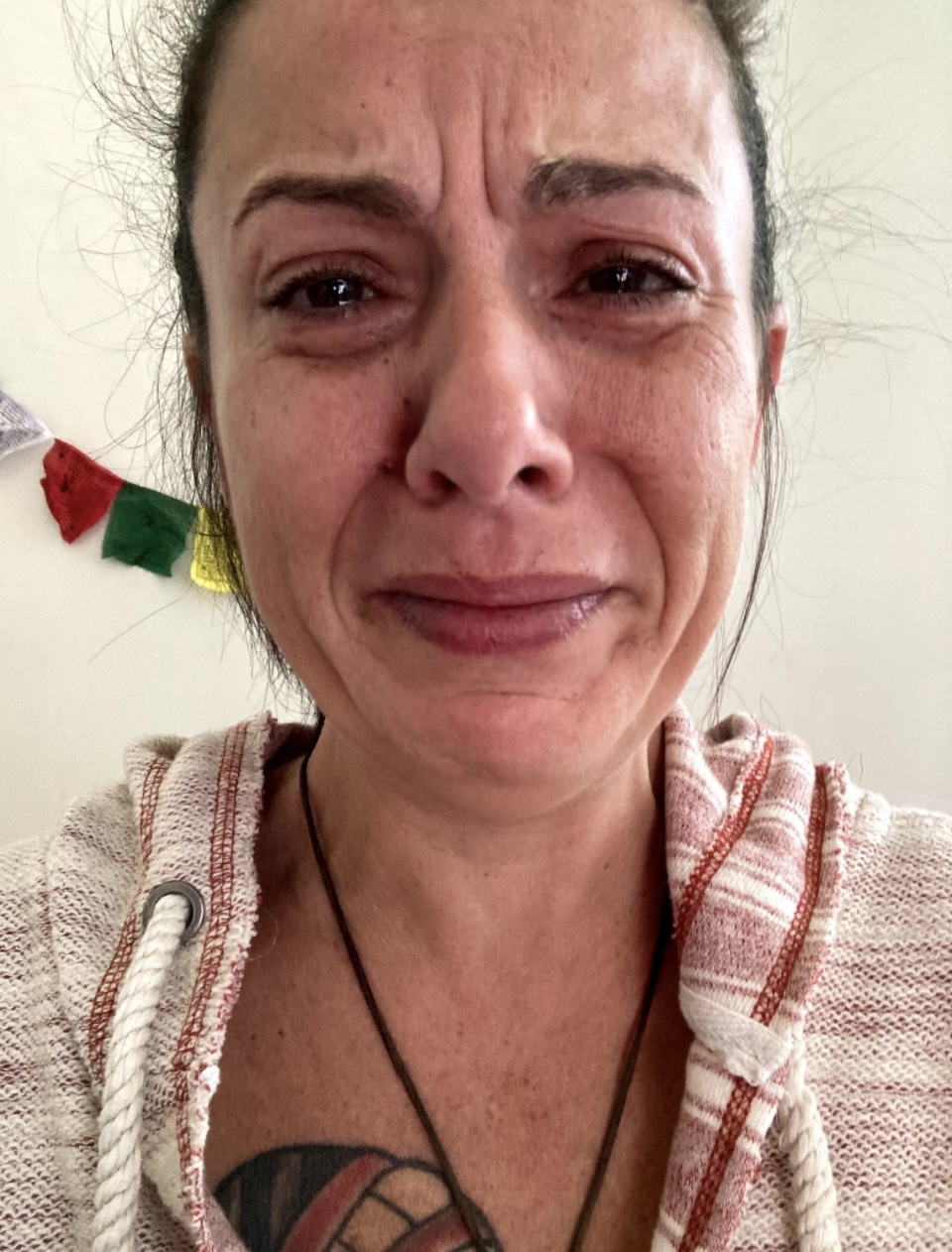
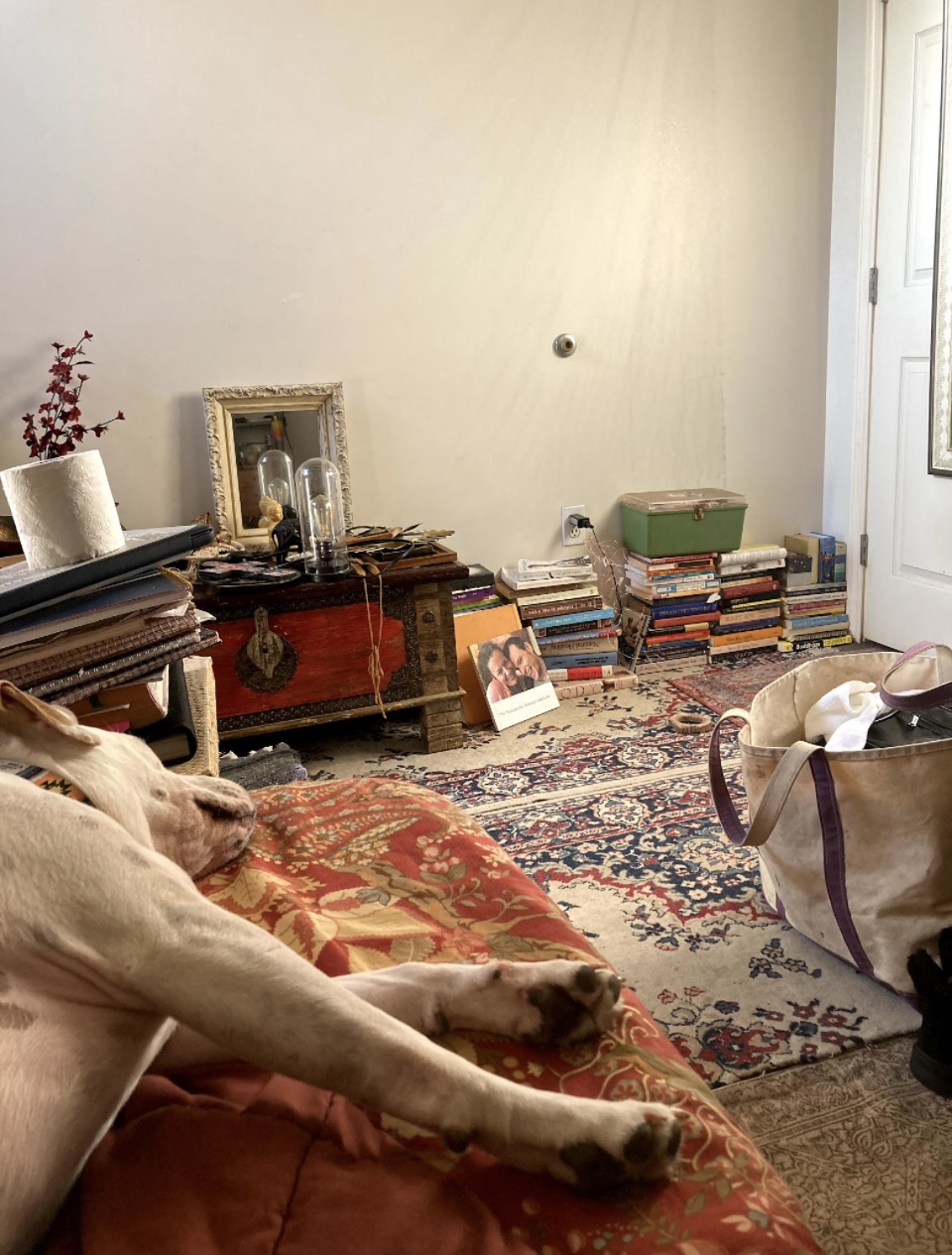
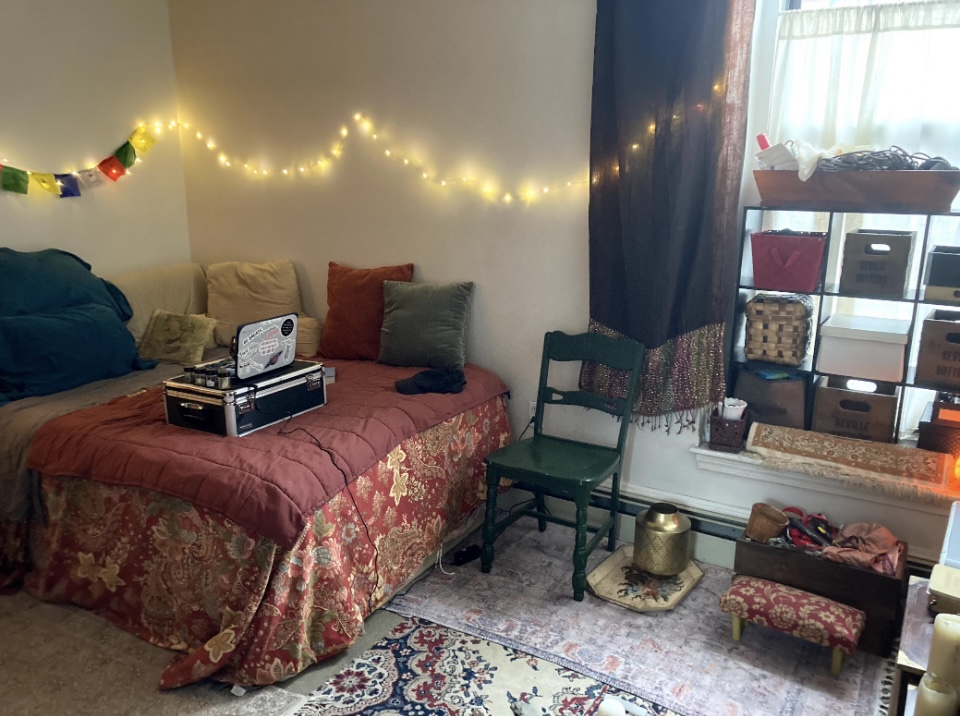
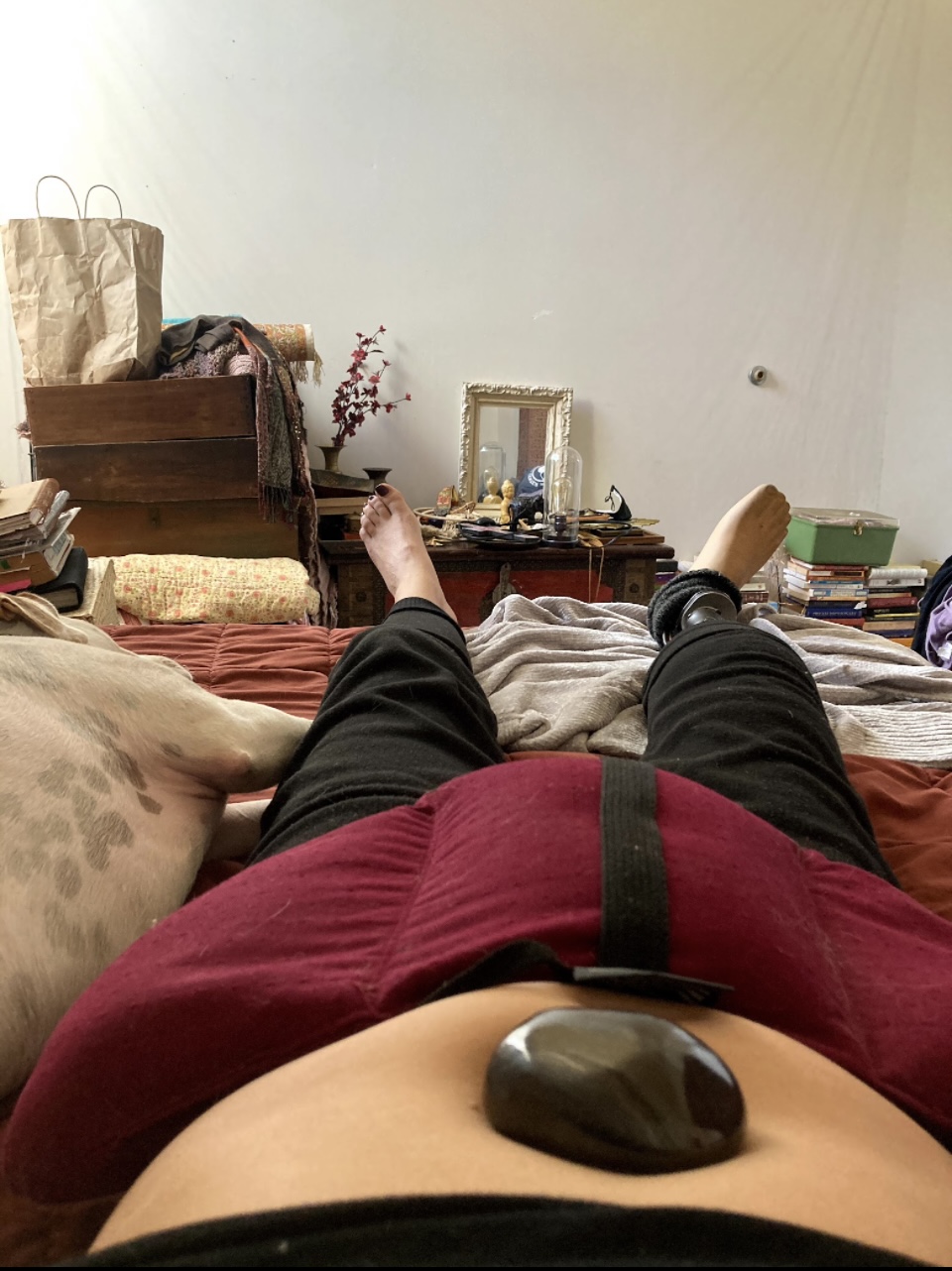
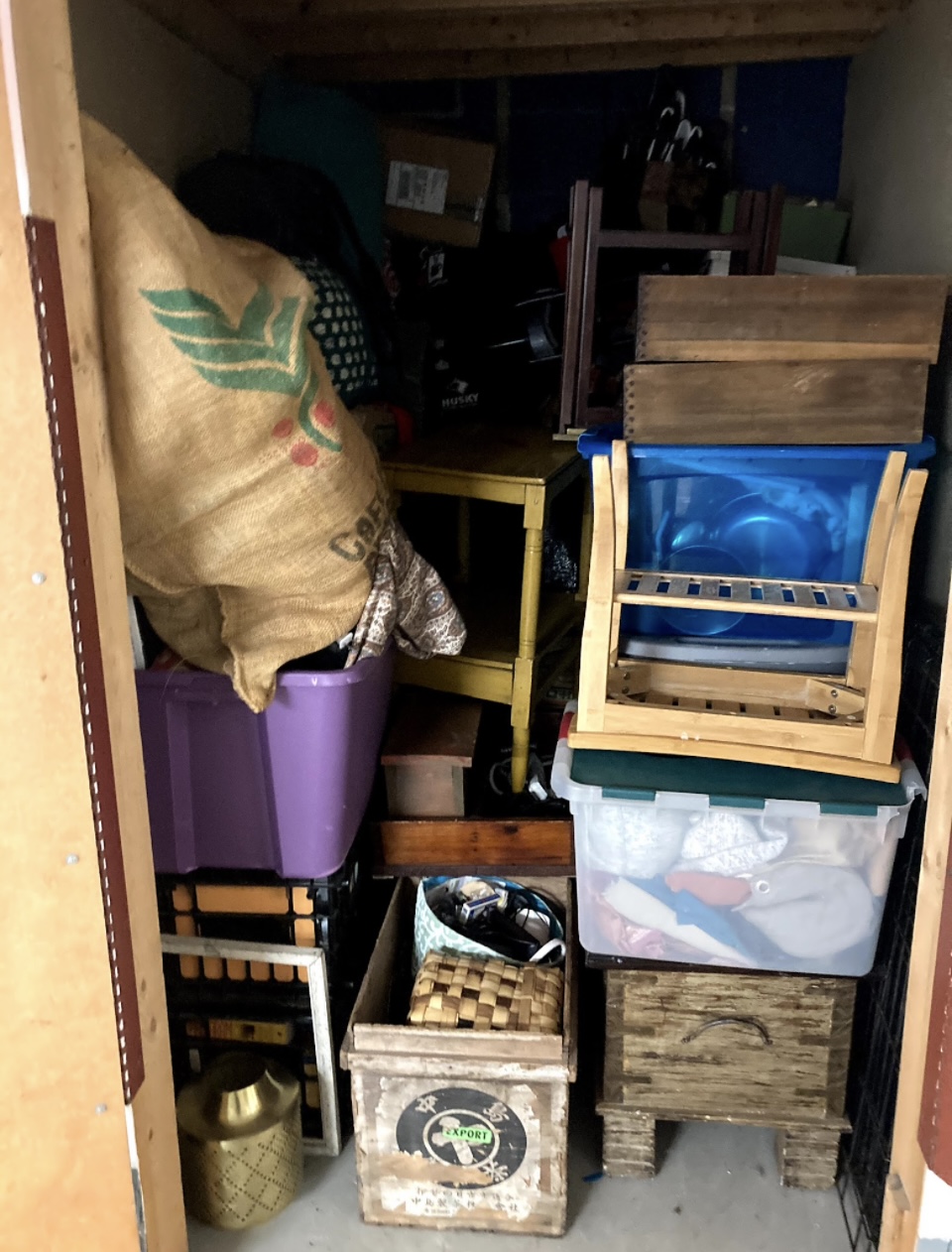
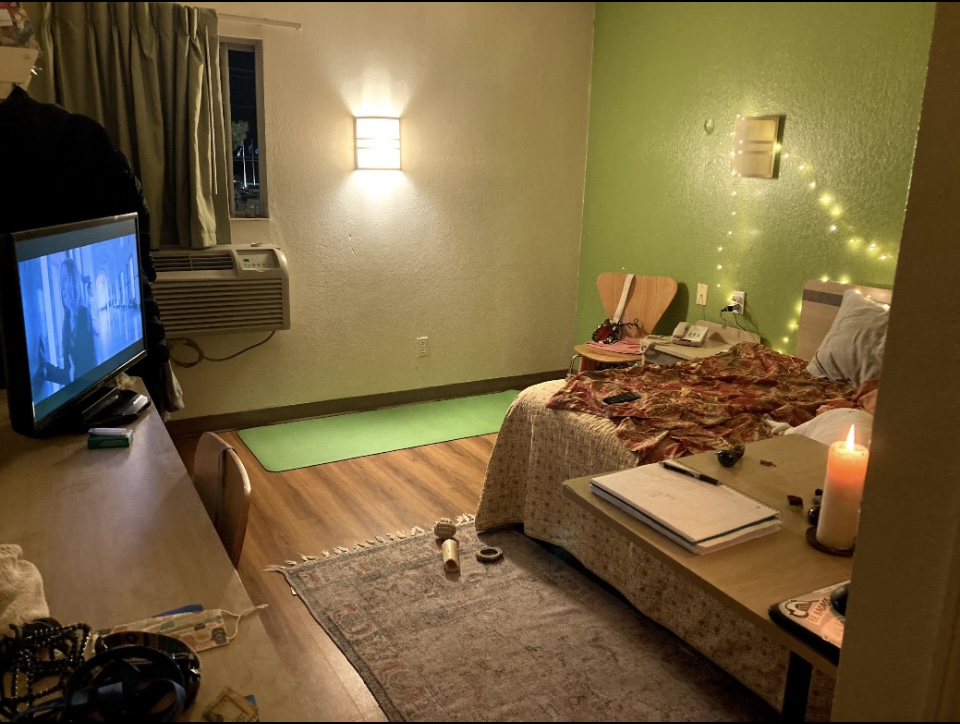
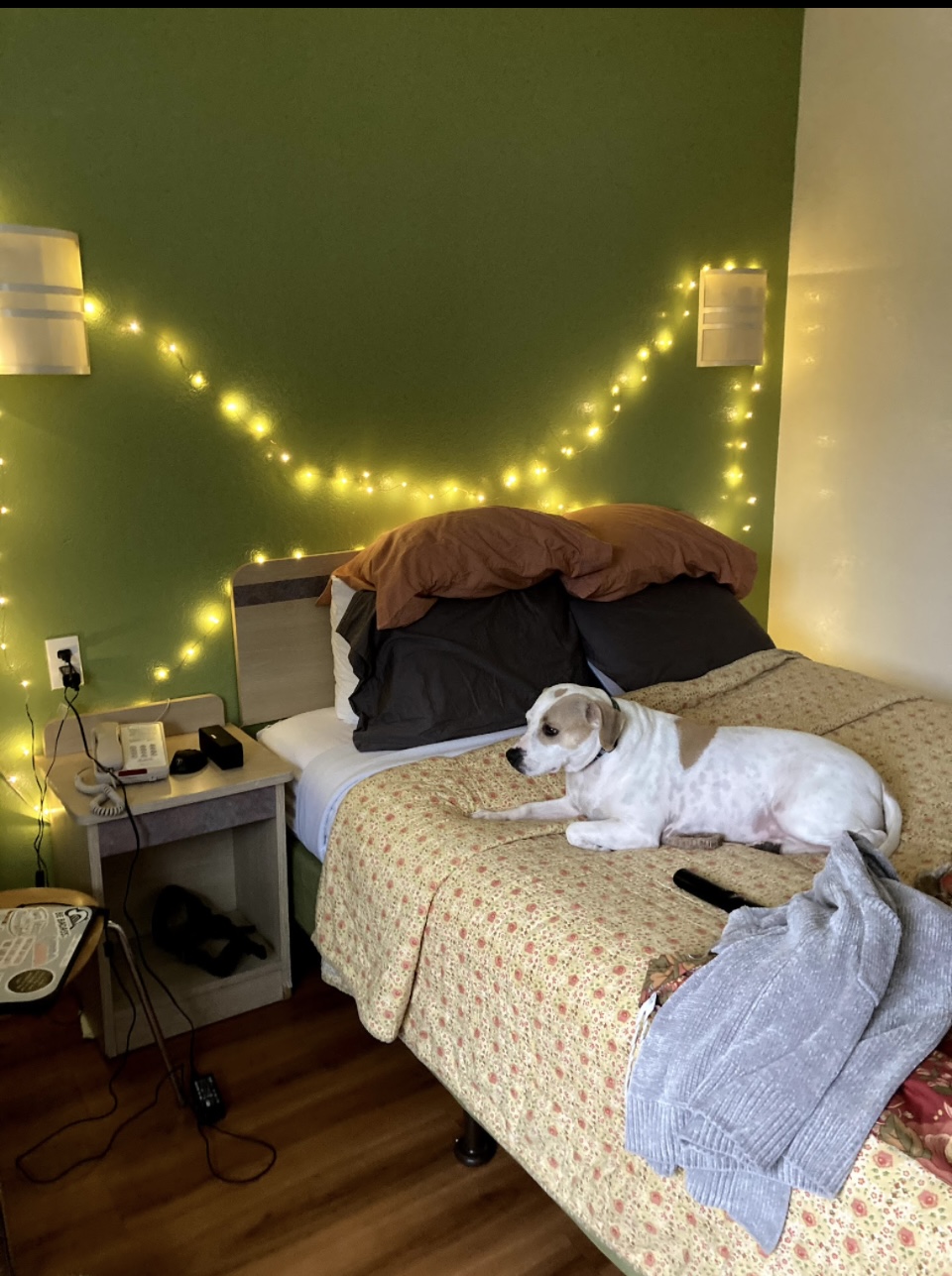
Once again, I packed alone. One friend helped me move. And I moved into that apartment sight unseen.
I lived there for fifteen months. I was grateful—it was a nice apartment, affordable, and safe—but the building and its occupants were extremely chaotic. Parking was a constant issue, and the environment and geographical location didn’t support the life I wanted to live.
So I moved again.
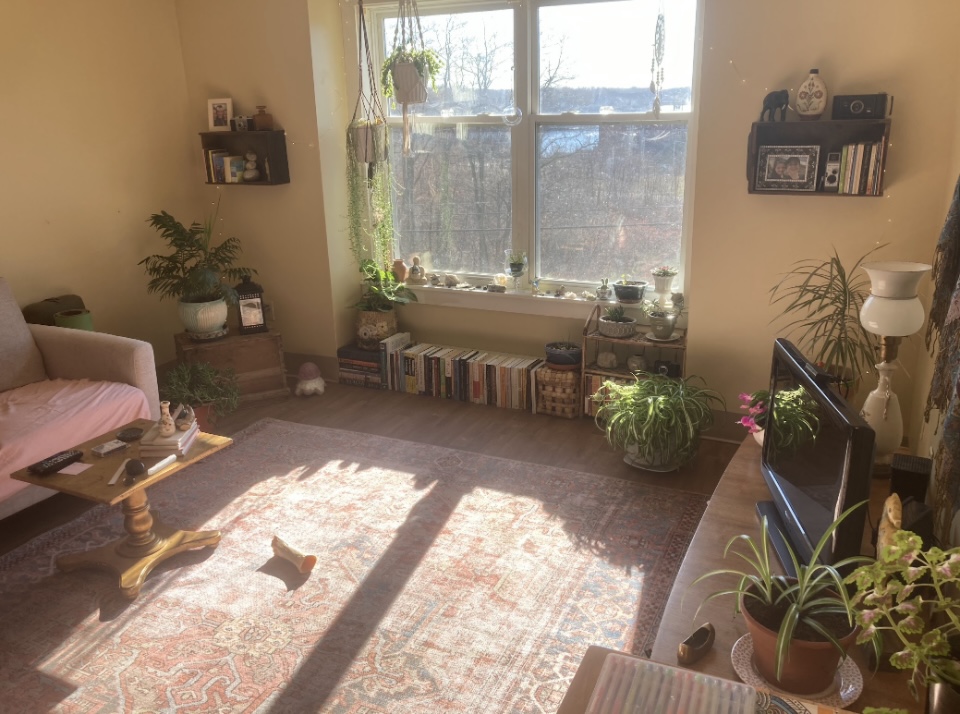
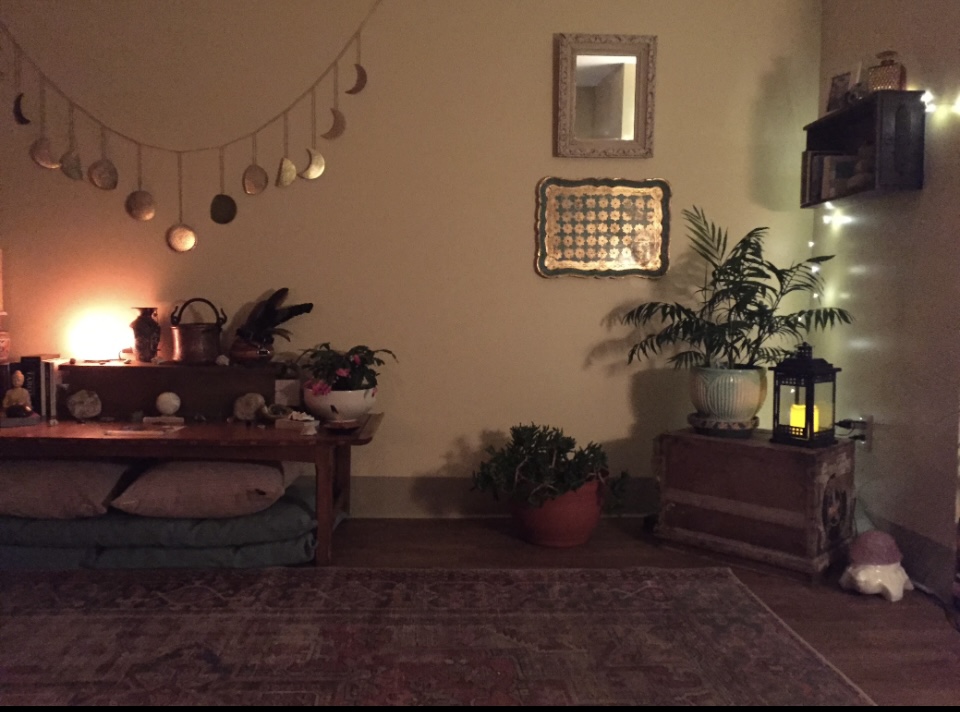
In 2022, I moved into the apartment I still live in today. I didn’t have help with packing or unpacking, but I did have significant help with the move itself. This May, it will be four years.
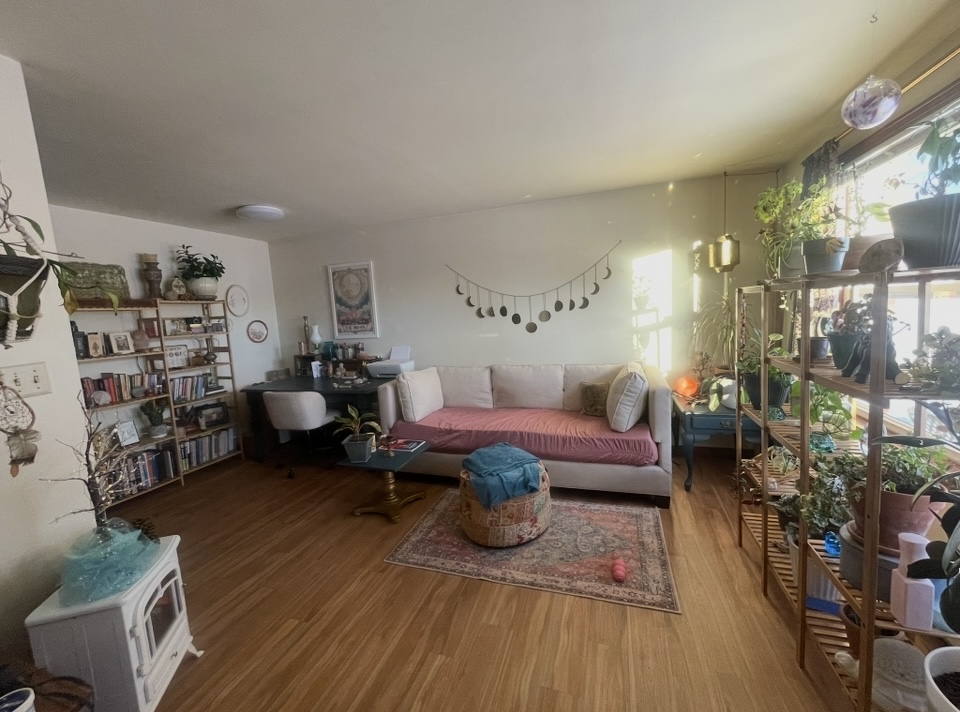
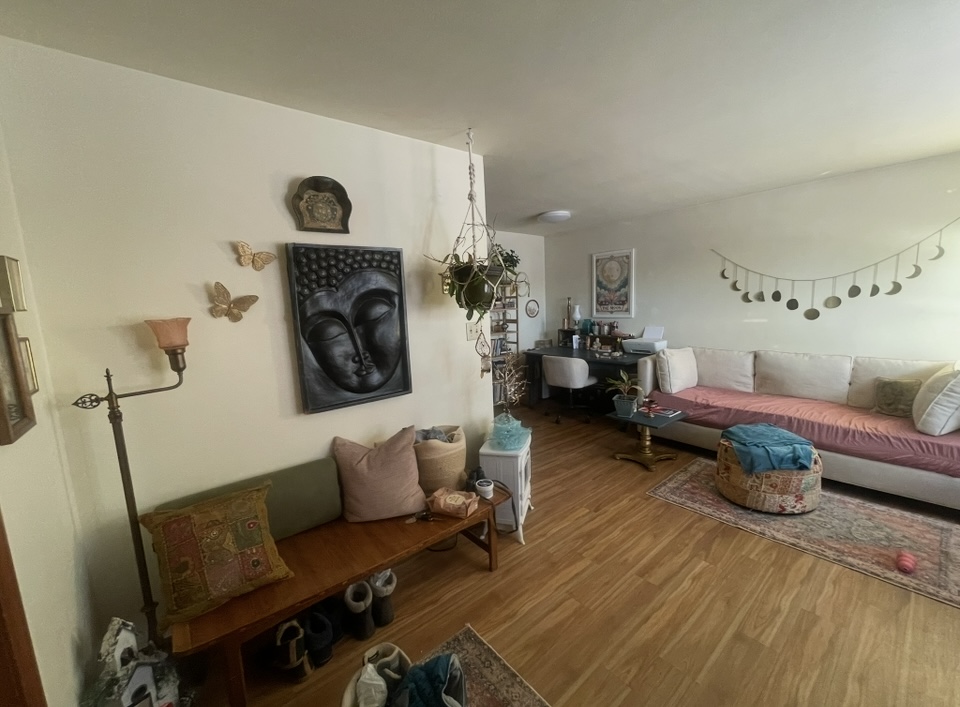
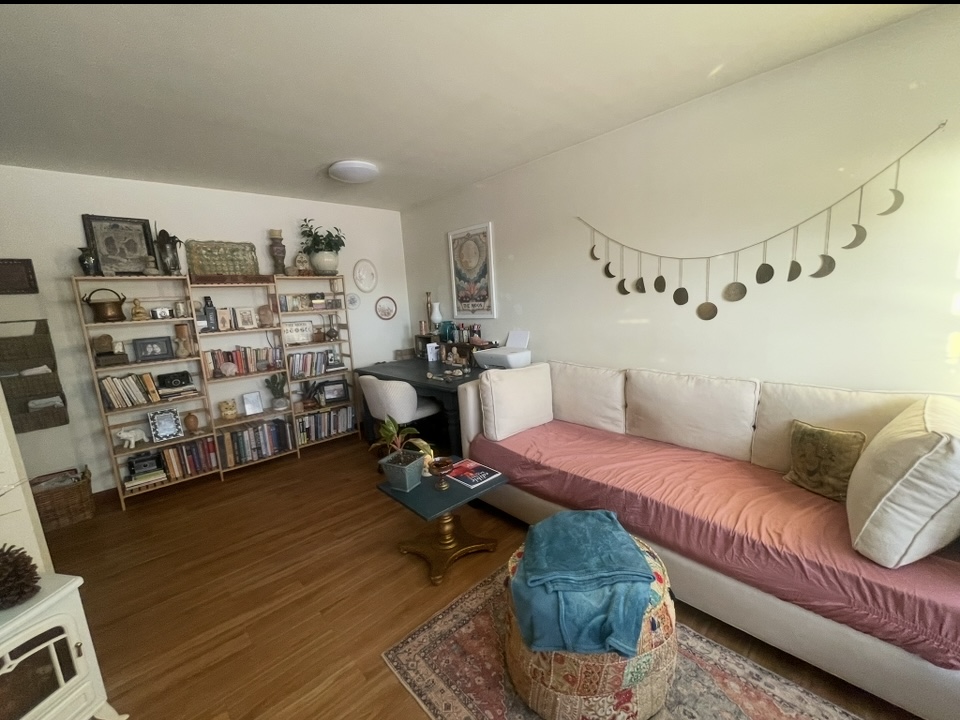
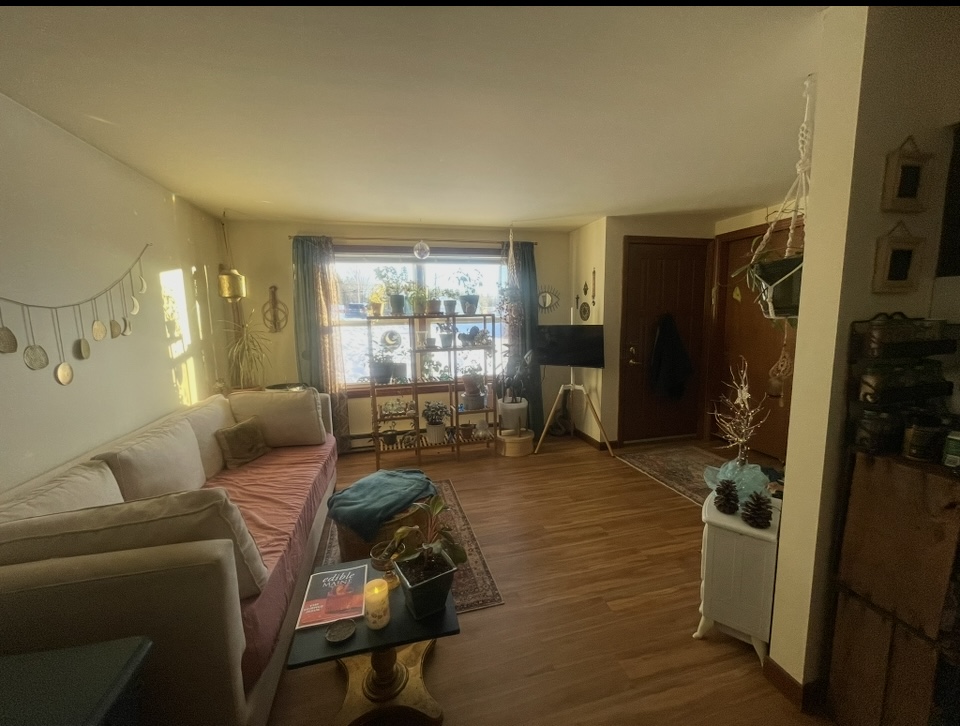
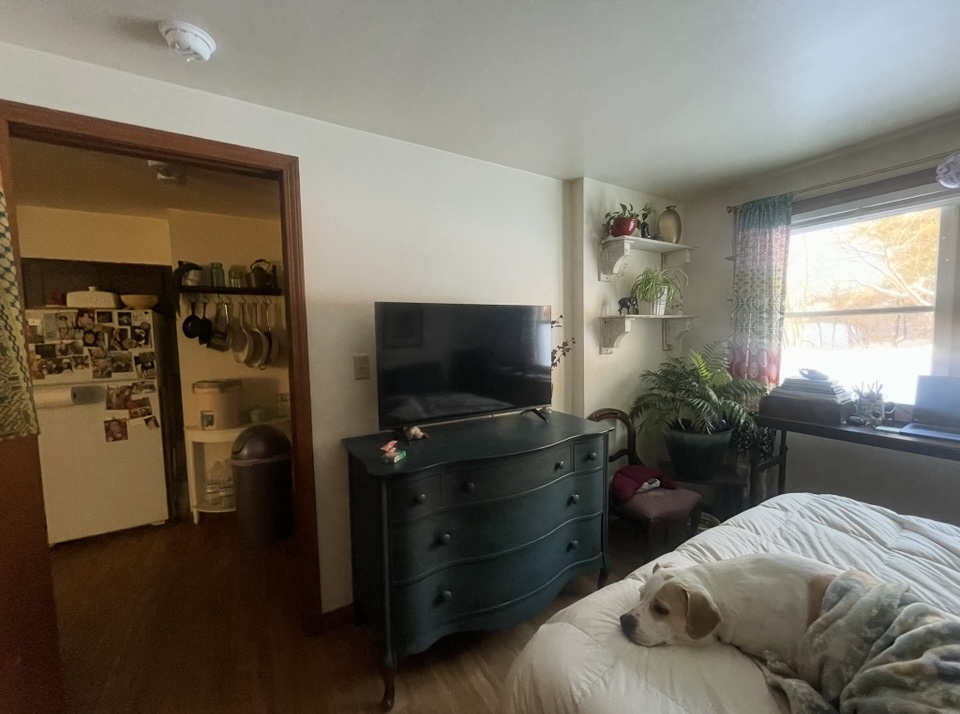
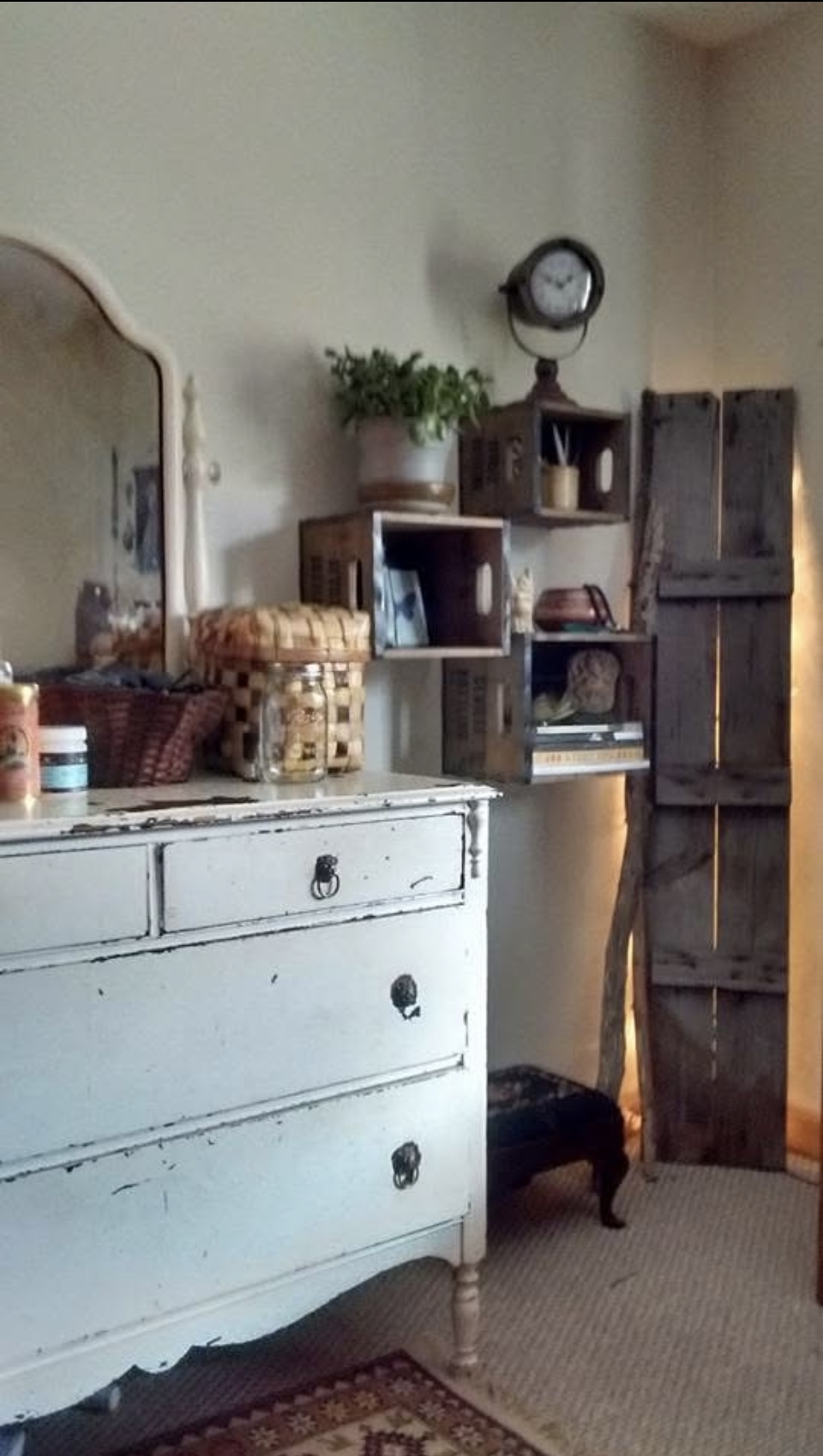
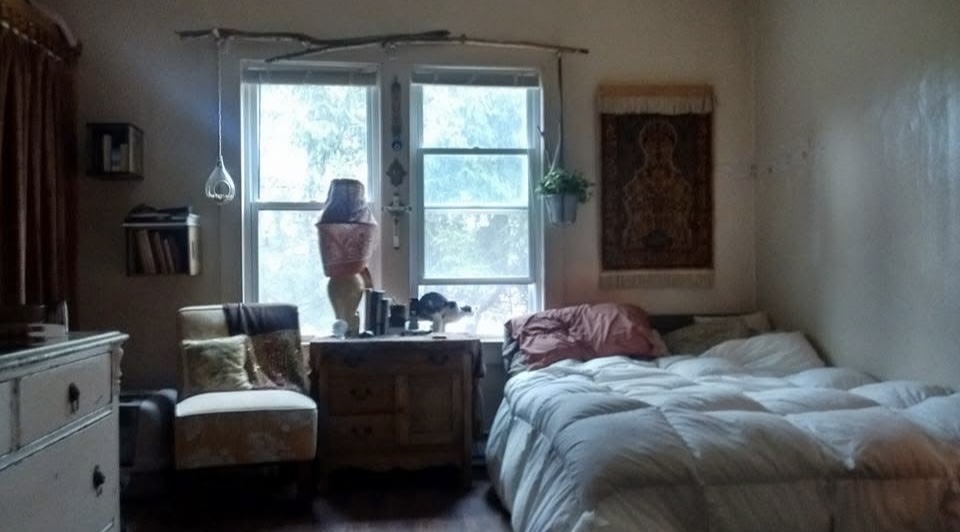
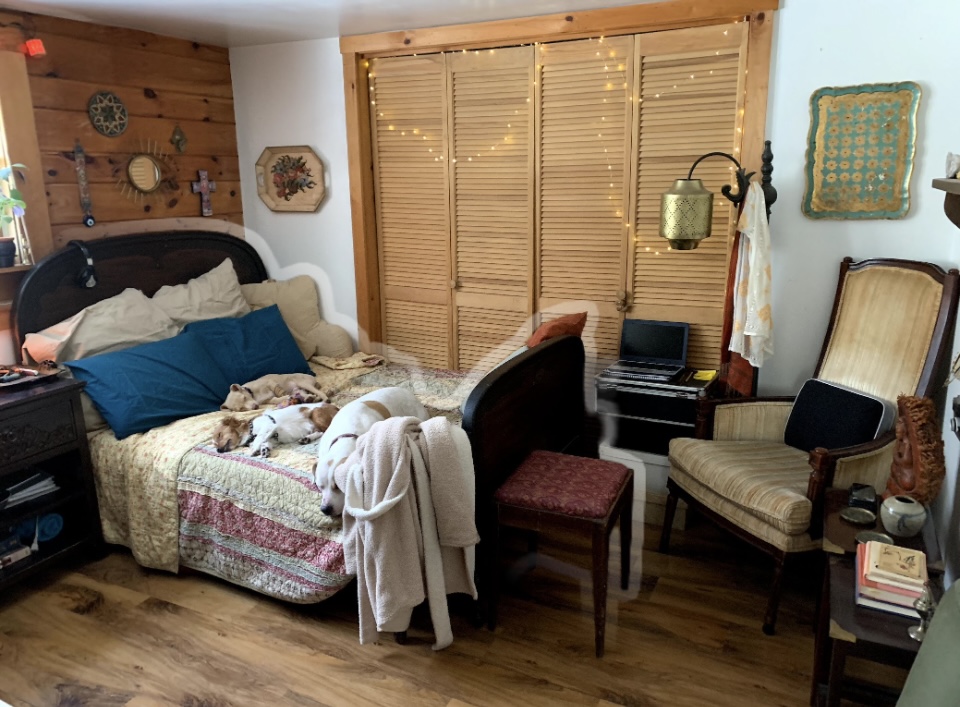
I love my town. I love the area. I love that it’s a single-structure building, with only one shared wall. No one above or below me. Only one apartment is connected to mine. I love the parking and proximity to my front door. I love the view from my bedroom window. And I’m not technically alone, I do have my true love, Honey Bea.
At 52, this is the most stable I have ever been on my own since I was 14—perhaps in my entire life.
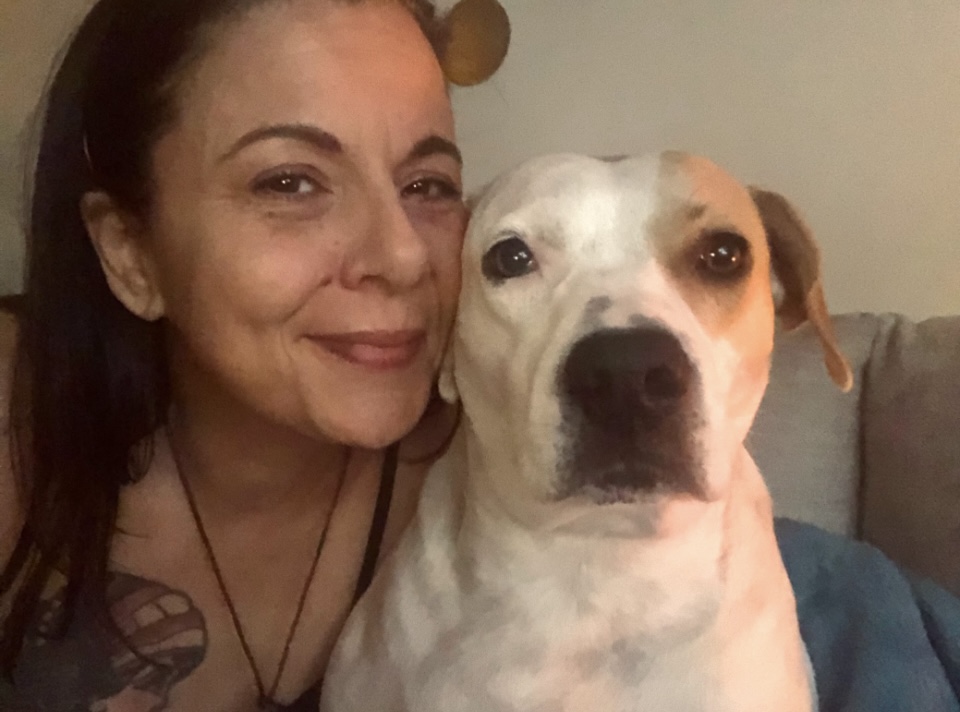
The only other period of relative stability was during my second marriage, when I raised my husband’s children as my own. I was technically married, in total, from age 21 to 47—to two different men, many years unhealed, still deeply shaped by unhealed trauma.
Looking back, I sometimes wonder why I spent those decades trying to be in relationships instead of learning how to be myself, how to love myself. Why didn’t I focus on healing sooner? On building a life rooted in safety and self-reliance?
Life unfolds as it should, and we learn lessons when we’re ready. Ironically, now that I know myself, I know I’m happiest being alone.
As I get older, I do think it might be nice to have someone. But I don’t ever want to live with someone full-time again. I want my own sanctuary. My own retreat. And I want them to have theirs.
Eleven moves in the first six years after amputation is extreme. But it brought me here—to routine, to structure, to stability. It gave me this beautiful space to write my memoir, to create this blog, and to become someone I genuinely love.
The only way I’ll move is if I have a small cabin or yurt on my own land. Otherwise, I’ll stay where I am!
I’m still learning who I am. I really like her and am deeply grateful for her and the hard lessons she had to endure.
Thank you for being here.
Please like, comment, share, and subscribe.


 Living Alone With Limb Loss
Leave a reply to colorfulprincess94a48efb09 Cancel reply